Urgent flood cleaning help in Fulham trusted local teams
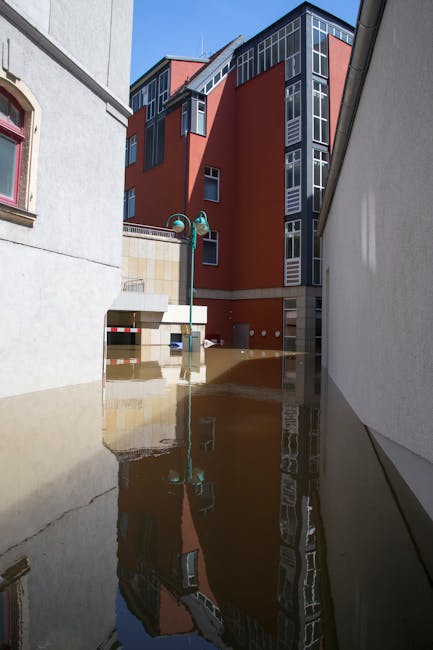
If water has got into your home, flat, or office in Fulham, the clock starts ticking immediately. A small leak can turn into damaged flooring, stained carpets, swollen skirting boards, and that unmistakable damp smell before you've even finished making a cup of tea. This guide on Urgent flood cleaning help in Fulham trusted local teams walks you through what needs to happen first, what a reliable local response looks like, and how to avoid the common mistakes that make flood damage worse. It's practical, local, and written for people who need calm advice right now.
Whether the issue came from a burst pipe, a blocked appliance, heavy rain, or a neighbour's overflow, the priorities are much the same: make the space safe, stop the water source if you can, remove moisture quickly, and protect the parts of the property that are most vulnerable. Sounds simple. In real life, it usually isn't. So let's break it down properly.
Why urgent flood cleaning matters in Fulham
Flood water does not stay politely in one place. It spreads under floors, behind furniture, into wall edges, and into fabrics that hold moisture far longer than you'd expect. In Fulham, where homes range from compact flats to older period properties, that matters even more. Older layouts can hide damp pockets in awkward corners, under boards, or around thick plaster and wooden fittings.
Urgent flood cleaning is about more than surface tidying. It's about stopping secondary damage. That includes mould growth, lingering odours, discolouration, warped timber, ruined underlay, and electrical risks. A room may look "mostly dry" while the underside of the carpet, subfloor, or soft furnishings are still holding water. If you've ever walked into a room and noticed that cold, earthy smell after a spill, you'll know what we mean. That smell is often the warning sign, not the problem solved.
There's also the stress factor. Water damage hits at the worst times: late evening, just before guests arrive, after a long workday, or during a rental handover. In that moment, people often search for trusted local teams because speed, familiarity with Fulham properties, and clear communication matter. You want someone who can show up, assess the mess, and get moving without overcomplicating everything.
For people living in the area, flood cleaning also sits within the wider reality of maintaining busy households. A Fulham home may already be juggling family life, work-from-home setups, or renovation schedules. That's one reason practical local knowledge matters. You can see this same local perspective reflected in articles like day-to-day life in Fulham and in property-focused guidance such as Fulham housing market insights, where condition and maintenance are part of the bigger picture.
How urgent flood cleaning help in Fulham trusted local teams works
A proper flood response usually follows a few clear stages. The exact order can change depending on the source of water and how far it has spread, but the general flow is fairly consistent.
1) Initial safety check. The first job is to make sure the area is safe to enter. That means checking for electrical hazards, slippery surfaces, unstable furniture, and contaminated water. Not all floodwater is the same. Clean water from a burst pipe is different from grey water or water that has come from drains. That distinction affects how the team treats the space.
2) Moisture assessment. Trusted local teams use practical inspection methods to understand where the water has travelled. That includes carpets, underlay, wood floors, skirting, soft furnishings, and sometimes the walls themselves. You cannot reliably judge this by sight alone. A dry-looking floor can still be wet underneath. Annoying, but true.
3) Water extraction and removal. Standing water is removed as quickly as possible using suitable equipment. If carpets or rugs are saturated, they may need lifting or controlled cleaning rather than simply blotting the top.
4) Cleaning and sanitising. Once free water is removed, the affected surfaces are cleaned. This is especially important where floodwater has carried dirt, silt, or contaminants into the property. The aim is to reduce odour, residue, and the risk of microbial growth.
5) Drying and monitoring. Drying is not a quick once-over with a towel. It's a managed process. In some cases, airflow and dehumidification are used over time, with follow-up checks to make sure moisture levels are dropping as expected.
6) Restoration planning. If materials are badly damaged, the next step may involve deeper restoration or replacement. The best teams will be honest about that. They won't pretend a soaked carpet is fine just to keep the conversation easy.
For some households, flood cleaning overlaps with other specialist services. For example, if carpets have taken the hit, a local page like carpet cleaning in Fulham gives a sense of how fabric care and stain removal fit into the wider recovery process. Likewise, if upholstery has absorbed moisture, the approach may need to be gentler and more controlled, which is where upholstery cleaning in SW6 becomes relevant.
Key benefits and practical advantages
Fast flood cleaning is not just about feeling less stressed, although that helps. It has practical benefits that can save time, money, and unnecessary disruption.
- Less long-term damage. The sooner the water is removed, the less chance there is of warped flooring, ruined underlay, or stained finishes.
- Lower risk of mould and odour. Hidden moisture is one of the main reasons lingering damp smells hang around for weeks.
- Better preservation of furnishings. Sofas, rugs, curtains, and mattresses can sometimes be salvaged if treated promptly.
- Clearer next steps. A good local team helps you decide what can be cleaned, what needs drying, and what may need replacing.
- Less disruption to daily life. That matters in busy households, rental properties, and offices where downtime has a knock-on effect.
There's also a confidence benefit. When people know the situation is being handled by experienced local professionals, they tend to make calmer decisions. You stop guessing. You stop opening and closing the same damp cupboard every ten minutes. You get a plan.
And if the flood has touched a commercial space or home office, the ability to respond quickly becomes even more important. Businesses in the area often need a clean, dry workspace restored fast, which is why an organised response feels more like a practical necessity than a luxury. A similar mindset applies to office cleaning in Fulham, where cleanliness, safety, and continuity all matter at once.
Who this is for and when it makes sense
This kind of emergency cleaning help is for anyone in Fulham dealing with unexpected water intrusion and needing a swift, trustworthy response. That could be a homeowner, tenant, landlord, letting agent, or business owner. Each has slightly different priorities, but the core need is the same: limit damage and make the property safe again.
It makes sense to call for urgent help when:
- water is pooling on floors or under furniture
- carpets, rugs, or upholstery are visibly soaked
- the source of the water is unclear
- you can smell damp or see signs of water creeping under skirting or flooring
- the affected room contains electrics, appliances, or valuable items
- you're preparing a rental property for return, inspection, or reletting
It's also worth remembering that flood response is not only for dramatic incidents. Sometimes the damage starts quietly: a slow leak behind a washing machine, a cracked seal, a bathroom overflow, a burst pipe while you're out, or rain coming in through an older window frame. Those smaller incidents can still cause serious issues if ignored for even a day or two.
In Fulham, where many properties have character and age, this matters. Period homes can hide moisture in less obvious places. If you want a sense of how older homes need special care, the article on period home cleaning near Fulham Palace is a useful companion read. Different problem, same principle: respect the building, act early, and don't rush the wrong part.
Step-by-step guidance
If you're facing flood damage now, keep it simple. Fancy solutions are less useful than doing the right things in the right order.
- Switch off the water source if possible. If it is safe to do so, stop the flow. If not, wait for professional help. Don't put yourself at risk just to look proactive.
- Turn off electricity in affected areas if there is any chance water has reached sockets or appliances. Safety first, always.
- Move dry items out of the area. Lift furniture, rugs, paperwork, and valuables if you can do it safely. Put aluminium foil or plastic blocks under furniture feet where needed to reduce staining.
- Take photos before moving too much. This can help later if you need to explain the extent of damage to a landlord, insurer, or contractor. Keep it factual.
- Start removing surface water only if it is safe and manageable. Towels, mops, and wet vacs help for small areas, but they don't replace proper extraction when water has spread under materials.
- Ventilate the space. Open windows if weather and security allow. Use fans carefully, but don't assume airflow alone will solve everything.
- Arrange an inspection. A trusted local team should check hidden moisture and decide whether carpets, underlay, or floor coverings need lifting.
- Dry, clean, and monitor. Follow through. A room that looks fine after a few hours can still be holding moisture deep inside.
One practical tip many people miss: don't start throwing strong cleaning chemicals at everything in a panic. Flooded materials often need a measured approach, not a kitchen-cupboard chemistry experiment. Honestly, that way madness lies.
If you're planning broader household cleaning after the incident, services like domestic cleaning in SW6 and house cleaning in Fulham can be useful once the emergency stage is over and the property needs a proper reset.
Expert tips for better results
Experience matters in flood cleaning because the same-looking problem can have very different causes. Here are some practical things worth knowing.
Act on hidden moisture, not just what you can see. The visible puddle is only part of the story. Water often runs under the edge of flooring, behind skirting boards, and into low furniture padding. A team that checks these areas is usually worth far more than one that just blots the top and leaves.
Use the room as little as possible. Foot traffic pushes water deeper into fibres and underlay. If you must enter, keep movement minimal. It sounds obvious, but in the middle of a stressful day people keep wandering in and out. Perfectly human. Not helpful, though.
Separate salvageable items from truly damaged ones. A damp cushion may be recoverable. A swollen chipboard base may not be. Good judgment saves time.
Be cautious with heritage materials. Older plaster, decorative mouldings, wool carpets, and upholstered pieces need gentler handling. Fast does not mean rough.
Ask what the drying plan is. The best flood cleaning help gives you a clear idea of what happens next. If the answer is vague, that's worth noticing.
Keep communication simple. Give the team the water source, the time it started, which rooms are affected, and whether electricity or gas appliances are nearby. Short, accurate information helps them prepare properly.
Check the rest of the property afterwards. Water sometimes travels unexpectedly. A leak in one room can show up later in a hallway or cupboard. A quick once-over is worth doing, especially in flats where water may move between adjacent areas.
And if you're comparing the response of different local providers, look beyond the sales language. Some will talk a great game. The useful ones explain how they assess moisture, what they can clean on the day, and where they would advise caution. That's the good sign.
Common mistakes to avoid
Flood recovery is one of those situations where small mistakes can become expensive ones. Here are the most common missteps we see.
- Waiting too long. A delay of even a few hours can worsen staining, odour, and hidden moisture.
- Using domestic cleaners on everything. Not every surface should be scrubbed the same way. Some materials need specialist treatment.
- Ignoring underlay or subfloor. If the top layer is dry but the layer beneath is not, the problem is not solved.
- Keeping soaked soft furnishings in place. Upholstery can trap damp and start to smell quickly.
- Assuming one visit is enough. Some situations need monitoring and follow-up drying.
- Not documenting the damage. This can complicate landlord, insurance, or dispute conversations later.
- Hiring purely on price. Cheaper is not always worse, but the cheapest option can be light on equipment, slow on response, or vague on scope.
Another one worth mentioning: don't let the room "air out" for days while leaving everything else untouched. That can sound sensible and still fail in practice. If hidden moisture is trapped under a carpet or inside a cabinet base, fresh air alone may not fix it.
For people worried about costs, it helps to compare quotations carefully and understand what is included. The page on avoiding hidden cleaning charges in Fulham is a useful reminder to ask clear questions before agreeing to any work.
Tools, resources and recommendations
You don't need a warehouse of equipment to get started, but the right tools make a big difference. A trusted local team may use some of the following, depending on the situation:
- Moisture assessment tools to check hidden water in floors and walls
- Extraction equipment for standing water and saturated textiles
- Air movers to improve circulation around wet materials
- Dehumidification equipment to help reduce airborne moisture in the room
- Protective coverings for furniture or fragile surfaces during recovery
- Cleaning agents suited to the material rather than generic one-size-fits-all products
- Basic containment materials such as towels, foil, or furniture blocks for short-term protection
If the affected area includes carpets, it is worth knowing that carpet recovery after flooding is not the same as standard cleaning. In some cases, the material can be saved and deep-cleaned. In others, replacement may be the safer choice. The decision depends on contamination, soak-through, and how quickly the water was addressed. That's why a proper inspection matters more than guesswork.
For related support, the service page on carpet care in Fulham can help you think through post-flood carpet treatment, while upholstery cleaning in SW6 is relevant when sofas, chairs, or cushions have taken on moisture or odour.
If the flood affects a rented property or you are close to the end of a tenancy, you may also need a broader clean before inspection or handover. In that case, end of tenancy cleaning in Fulham can be part of the recovery plan once the emergency work is done.
Law, compliance, standards, or best practice
Flood cleaning sits in the overlap between property care, hygiene, and safety. While the exact duties can vary depending on who owns or occupies the property, there are some sensible best-practice principles to follow in the UK.
Safety first. Water and electricity are a bad pairing, so electrical safety should always come before cosmetic cleanup. If there is any doubt, the area should be treated cautiously until it has been checked by a competent professional.
Waste disposal and contamination. If floodwater is dirty or has affected porous materials, disposal may need to be handled carefully. The treatment approach depends on the type of water and the materials involved.
Landlord and tenant communication. In rented homes, it is wise to report water damage quickly and keep a record of the issue. That includes photos, dates, and notes of any conversations. It's not dramatic; it's just smart.
Insurance awareness. If you are making a claim, documentation matters. You should check your own policy wording and any relevant terms carefully. This article does not give legal advice, but in practice, clear records and prompt reporting usually help avoid arguments later.
Health and hygiene. Standing water and damp materials can create conditions where mould becomes more likely. That is why trusted teams typically prioritise drying and sanitising, not simply surface appearance.
It is also sensible to choose companies that are clear about their procedures, safety expectations, and complaints handling. A provider that publishes its approach to health and safety, insurance and safety, and terms and conditions is giving you a better sense of how it works. Transparency is a good sign. Always has been.
Options, methods, and comparison table
Not every flood situation needs the same response. Here is a simple comparison to help you think clearly about what might be suitable.
| Method | Best for | Strengths | Limitations |
|---|---|---|---|
| Basic self-cleanup | Very small, clean-water spills | Quick, low cost, immediate action | Often misses hidden moisture and deeper damage |
| Professional flood cleaning | Most moderate or urgent situations | Faster extraction, better assessment, safer handling | Requires arranging a visit and discussing scope |
| Drying-focused restoration | Water trapped in flooring or structural layers | Targets hidden damp and reduces long-term risk | Can take longer and may need repeat checks |
| Replacement | Severely contaminated or warped materials | Removes ongoing risk and avoids repeated issues | Higher cost and more disruption |
In practice, the right answer is often a mix. You might clean and dry some items, lift one damaged section, and replace another. That's normal. Flood recovery is rarely all-or-nothing, despite what people hope at 2 a.m. after a pipe bursts.
For local context and service comparison, it can also help to browse the provider's wider information pages such as services overview and pricing and quotes so you understand what kinds of work are usually covered and how estimates are framed.
Case study or real-world example
Here's a realistic scenario. A tenant in a Fulham flat arrives home to find water spreading from under the kitchen units after a dishwasher leak. The floor has a visible wet patch, but the more serious issue is that the water has moved under a nearby rug and along the edge of the room. The tenant towels up what they can, moves small items away from the area, and switches off the appliance. Sensible start.
But then the mistake would be to assume the surface drying means the problem is handled. A trusted local team would inspect the kitchen floor edge, the base of the units, the nearby carpet transition, and any adjoining furniture. If moisture is still present under the floor covering, drying equipment may be needed for longer than expected. A detailed check can also reveal whether odour and residue need treatment, not just water removal.
In this kind of case, the outcome is usually better when action happens early. The tenant avoids much of the staining, the landlord gets a clearer view of what was damaged, and the room returns to use faster. Not perfect, maybe. But properly managed.
This sort of practical response is exactly why local knowledge matters. Fulham properties can vary from compact modern flats to older terraces with their own quirks. A team that understands those differences is better placed to choose the right method, especially if carpet edges, wooden thresholds, or period materials are involved.
Practical checklist
Use this checklist if you need to act quickly. Print it, save it, or just work through it on your phone. No drama.
- Identify the source of the water if it is safe to do so
- Turn off electrics in affected areas if there is any risk
- Move dry belongings out of the wet zone
- Take photos and short notes of the damage
- Remove surface water where practical and safe
- Ventilate the room if conditions allow
- Keep people and pets away from unsafe flooring or slippery areas
- Check carpets, rugs, furniture bases, and skirting for hidden damp
- Arrange an inspection or urgent cleaning visit
- Confirm the drying and follow-up plan
- Keep records for landlord, insurer, or property manager if needed
Quick takeaway: the fastest clean is not always the safest clean. What matters most is removing water properly, protecting hidden materials, and making sure the area is genuinely dry, not just tidy on the surface.
Get a free quote today and see how much you can save.
Conclusion
When flood damage hits, the best outcome usually comes from calm, early action and a team that knows what to look for beyond the obvious wet patch. That is the real value of urgent flood cleaning help in Fulham trusted local teams: not just speed, but judgement. Not just cleaning, but recovery.
If you're dealing with water damage right now, focus on safety, document what you can, and get proper help before the problem settles in. That one decision can make the difference between a manageable clean-up and weeks of avoidable disruption. And yes, a damp smell has a way of overstaying its welcome.
Handled well, even a messy flood incident can be brought back under control. One step at a time. That's usually how the best results happen.
Frequently Asked Questions
How quickly should flood cleaning start after water damage in Fulham?
As quickly as possible. The sooner water is removed and drying begins, the less chance there is of deeper damage, staining, odour, and mould. Even a short delay can make the job harder.
What makes a local flood cleaning team trustworthy?
Look for clear communication, practical assessment, sensible safety steps, and an honest explanation of what can be cleaned, dried, or replaced. If the advice feels vague, that's not a great sign.
Can carpet be saved after a flood?
Sometimes, yes. It depends on the type of water, how long it has been wet, and whether the underlay or subfloor has also been affected. Some carpets can be cleaned and dried, while others are better replaced.
Do I need professional help for a small leak?
If the leak is tiny and caught immediately, you may handle part of it yourself. But if water has soaked into flooring, furniture, or hidden areas, professional inspection is usually the safer choice.
Is flood water always dangerous?
Not always, but it should never be treated casually. Clean water from a burst pipe is different from contaminated water, and the source determines the cleaning approach and safety precautions.
Will flood cleaning remove the smell?
It often can, but only if the moisture source is fully dealt with. Odour usually comes from trapped damp or residue, so proper drying and cleaning matter more than masking the smell.
How do I know if water got under the floor?
Signs include damp patches returning, a musty smell, slightly lifted flooring, or rooms feeling humid long after the surface looks dry. A proper moisture check is the best way to know for sure.
Can I stay in the property during flood drying?
Often yes, but it depends on the extent of the damage and which rooms are affected. If electrics, hygiene, or access are compromised, it may be safer or more practical to limit use of the area.
What should I tell the flood cleaning team when I call?
Share the water source, when it started, which rooms are affected, whether electricity is involved, and what surfaces were touched. A short, accurate briefing saves time and helps them prepare properly.
How does flood cleaning differ from standard cleaning?
Standard cleaning removes dirt and improves appearance. Flood cleaning also deals with moisture, contamination risk, hidden damage, and drying. It is a more technical and time-sensitive process.
Will I need to replace furniture after flooding?
Not always. Some furniture can be cleaned and dried, while heavily soaked or swollen items may need replacing. Upholstered pieces and chipboard furniture are often more vulnerable than solid wood.
Where can I learn more about flood-related cleaning and property care in Fulham?
Useful background reading includes local and practical articles such as day-to-day life in Fulham, period home cleaning near Fulham Palace, and guidance on avoiding hidden cleaning charges in Fulham.